
Chapter 7: Ownership and Possessive Nouns

 |
Watch the Video: Level 2 Mi’kmaw: Video 01 Ownership: Possessive Nouns and Body Parts Source: Video produced by Captive Expression for No’kmaq Village / Flat Bay Band, Inc., June 12, 2017, https://www.youtube.com/watch?v=bXjYapZ07hg |
This chapter introduces ownership and possession. To start, consider how English categorizes singular and plural for first, second, and third person pronouns.
| First Person | Second Person | Third Person | ||
| Singular | I/Me Me/Mine |
You You/Yours |
She Her/Hers |
He He/Him |
| Plural (2+) | We Our/Ours |
You Your/Yours |
They Their/Theirs |
|
In Mi’kmaw, there are two major differences, resulting in more pronouns:
- the use of two plural forms, dual, for two people, and then three or more people;
- the use of inclusive vs exclusive language for first person plural.
| First Person | Second Person | Third Person | ||
| Singular | Ni'n | Ki'l | Nekm | |
| Dual (2) | Kinu (inclusive) |
Ninen (exclusive) |
Kilew | Nekmow |
| Plural (3+) | ||||

Later, you will learn more about how to apply these terms, but for now, simply compare them against the following word list to see the pattern in determining who owns the objects being discussed.
Ownership in the Singular Form
Starting with singular forms, consider the following body parts and see how a simple prefix can indicate whose body part it is.
| First Person | Second Person | Third Person | |
| Body | Ntinin | Ktinin | Wtinin |
| Head | Nun'ji | Kun'ji | Wun'ji |
| Mouth | Ntun | Ktun | Wtun |
| Stomach | Nmusti | Kmusti | Wmusti |
| Hand | Npitn | Kpitn | Wpitn |
| Belly-button | Nili | Kili | Wili |
| Heart | Nkamulamun | Kkamulamun | Wkamulamun |
| Teeth | Nipitl | Kipitl | Wipitl |
Thus, by simply taking a word root like body (-tinin), you can specify “my body” by adding an n; use a k to say “your body”; or use a w to say “his/her body”. This pattern extends to other objects as well, as you see in the word list below.
Ownership Word List
These words all indicate singular forms of the three pronoun categories. Some show slight variations on the N/K/W rule from the previous page, like “my care” (nutepaqn) or “his/her male friend” (witapl), which also adds a suffix. As in the pluralization lessons, some differences occur due to the starting letter, and eventually, as your ear becomes more familiar with the sound of Mi’kmaw, these variations will make greater sense.
In the case of the third person however, the l on the end is there to indicate that you are speaking about another person entirely who is connected to him or her. This is sometimes referred to as the fourth person. Once again, this pattern shows a shift in thinking between English speakers and Mi’kmaw speakers.
| First Person | Second Person | Third Person | |
| Food | Nilu My food |
Kilu Your food |
Wilu His/Her food |
| Male Friend | Nitap My male friend |
Kitap Your male friend |
Witapl His/Her male friend |
| Female Friend | Nitape'skw My female friend |
Kitape'skw Your female friend |
Witape'skwl His/Her female friend |
| Son | Nkwis My son |
Kkwis Your son |
Wkwisl His/Her Son |
| Daughter | Ntus My daughter |
Ktus Your daughter |
Wtusl His/Her daughter |
| Father | Nujj My father |
Kujj Your father |
Wujjl His/Her father |
| Mother | Nkij My mother |
Kkij Your mother |
Wkwijl His/Her mother |
| House | Ni'k My house |
Ki'k Your house |
Wi'k His/Her house |
| At…. house | Ni'knaq At my house |
Kikuaq At your house |
Wikuaq At his/her house |
| Clothes | Nutapsun My clothes |
Kutapsun Your clothes |
Wutapsun His/Her clothes |
| Car/Toboggan | Nutepaqn My car |
Kutepaqn Your car |
Wutepaqn His/Her car |
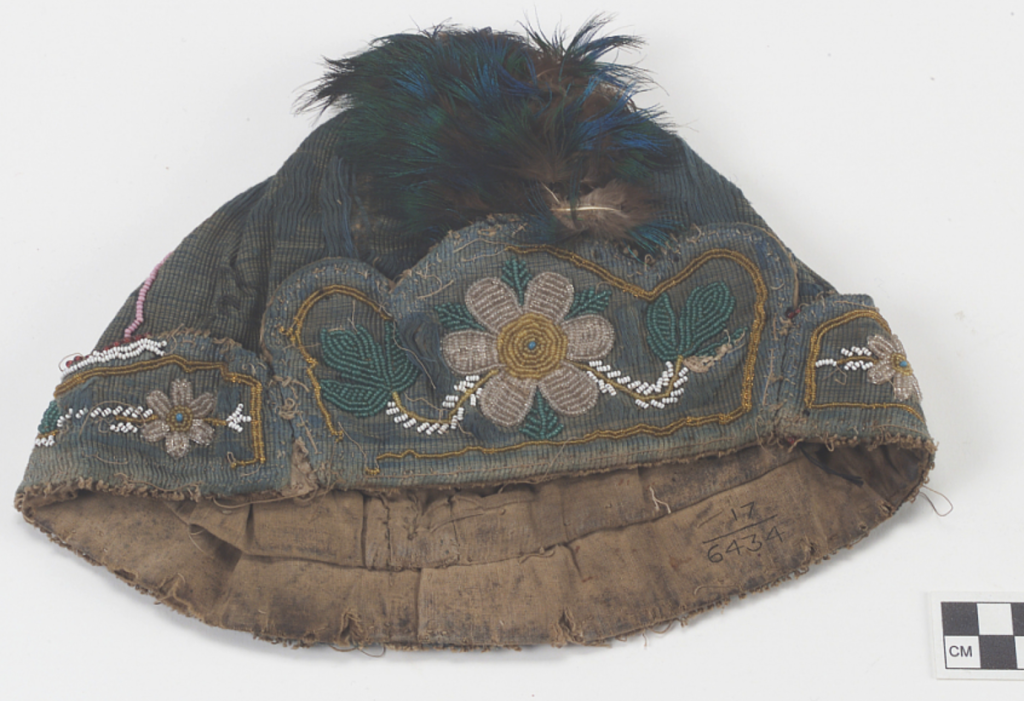
Finally, there are words that do not follow the standard N/K/W ownership rules, such as wa'qi (skin), which keeps the same form regardless of the subject of the sentence. When in doubt, seek out a fluent speaker.

Ni'n
Translation: Me or Mine
Meanings: Me or Mine
Part of Speech: Singular - First Person
Pronunciation Guide: neen
Ki'l
Translation: You
Meanings: You
Part of Speech: Singular - Second person
Pronunciation Guide: geel
Nekm
Translation: He or Him or She or Her
Meanings: He or Him or She or Her
Part of Speech: Singular - Third Person
Explanation: This word is entirely gender-neutral and is used to refer to any single person, animal, or grammatically animate entity outside of the conversation.
Pronunciation Guide: nehg-um
Kinu
Translation: We / Us
Meanings: we, us, or our.
Part of Speech: Plural (Inclusive) - First Person
Explanation: Grammatically, this is an inclusive pronoun. This means it explicitly includes the person speaking and the person being spoken to (you and me together).
Pronunciation Guide: gee-noo
Ninen
Translation: We or Us
Meanings:
Part of Speech: Plural (Exclusive) - First Person
Explanation: Grammatically, this contrasts directly with kinu (which means "all of us, including you"). Ninen explicitly excludes the listener. You use it when you are speaking on behalf of a group to someone who is not part of that group (meaning "us over here, but not you").
Pronunciation Guide: nee-nun
Kilew
Translation: You
Meanings: You or You all.
Part of Speech: Plural - Second person
Explanation: Grammatically, while ki'l is used when talking to just one person, you must switch to kilew when you are addressing a group of two or more people.
Pronunciation Guide: gee-lehw
Nekmow
Translation: They or Them
Meanings: They or Them
Part of Speech: Plural - Third Person
Explanation: Grammatically, this is the plural form of nekm (he/she). Just like the singular form, it is entirely gender-neutral and is used to refer to any group of people, animals, or grammatically animate entities.
Pronunciation Guide: nehg-mow
Ntinin
Translation: (my) Body
Meanings: my body.
Part of Speech: Singular - First Person
Explanation: Grammatically, body parts in Mi'kmaw are considered inalienably possessed nouns. This means they cannot exist as an abstract concept on their own; they must always belong to someone. The n- prefix attached to the root word (-tinin) explicitly establishes ownership as "mine.
Pronunciation Guide: un-deh-neen
Ktinin
Translation: body (your)
Meanings: your body
Part of Speech: noun inanimate, second-person singular
Pronunciation Guide: uk·ti·nin
Wtinin
Translation: (his/her) Body
Meanings: His body, her body, their body, or its body.
Part of Speech: noun, third-person singular possessive
Pronunciation Guide: wuh-deh-neen
Nunji
Translation: (my) Head
Meanings: My head.
Part of Speech: noun, singular first person
Pronunciation Guide: noon-jee
Kunji
Translation: (your) Head
Meanings: Your head.
Part of Speech: noun, singular, second person possessive
Pronunciation Guide: uh-goon-jee
Wunji
Translation: (his/her) Head
Meanings: His head or Her head or Their head
Part of Speech: noun, singular, third person possessive
Pronunciation Guide: woon-jee
Ntun
Translation: My Mouth
Meanings: My mouthPart of Speech: noun, first person possessive
Pronunciation Guide: en-doon
Ktun
Translation: Your Mouth
Meanings: Your Mouth
Part of Speech: noun, second person possessive
Pronunciation Guide: uh-gdoon
Wtun
Translation: Their Mouth
Meanings: Their Mouth
Part of Speech: noun, third person possessive
Pronunciation Guide: woon-doon
Nmusti
Translation: My stomach.
Meanings: My stomach.
Part of Speech: noun, first person possessive
Pronunciation Guide: un-moos-dee
Kmusti
Translation: Your stomach
Meanings: Your stomach
Part of Speech: noun, second person possessive
Pronunciation Guide: kuh-gmoos-dee
Wmusti
Translation: Their stomach
Meanings: Their stomach
Part of Speech: noun, third person possessive
Pronunciation Guide: woohg-moos-dee
Nptin
Translation: My hand
Meanings: My hand
Part of Speech: noun, first person singular possessive
Pronunciation Guide: em-bdeen
- Noun (First Person)
Kpitn
Translation: Your hand
Meanings: Your hand
Part of Speech: noun, second-person singular possessed
Pronunciation Guide: uh-gbuh-dun
Wpitn
Translation: Their hand
Meanings: His hand, her hand, or their hand
Part of Speech: noun, third person possessive
Pronunciation Guide: whibg-deen
Nili
Translation: My belly-button
Meanings: My belly-button
Part of Speech: noun, first person possessive
Pronunciation Guide: nee-lee
Kili
Translation: Your belly-button
Meanings: Your belly-button
Part of Speech: noun, third person possessive
Pronunciation Guide: Gee-lee
Wili
Translation: Their bellybutton
Meanings: His bellybutton, her bellybutton, their bellybutton, its bellybutton.
Part of Speech: noun, third person possessive
Pronunciation Guide: Wee-lee
Nkamulamun
Translation: My heart
Meanings: My heart
Part of Speech: noun, first person possessive
Pronunciation Guide: In-gah-moo-lah-moon
Kkamulamun
Translation: Your heart
Meanings: Your heart
Part of Speech: noun, second person possessive
Pronunciation Guide: Kuh-gah-moo-lah-moon
Wkamulamun
Translation: (their) Heart
Meanings: His or her or their heart.
Part of Speech: noun, third person possessive.
Pronunciation Guide: Ooh-gah-moo-lah-moon
Nipitl
Translation: (my) Teeth
Meanings: My teeth.
Part of Speech: noun, first person possessive, plural
Pronunciation Guide: Nee-beed-uhl
Kipitl
Translation: (your) Teeth
Meanings: Your teeth.
Part of Speech: noun, second person possessive, plural.
Pronunciation Guide: Kee-beed-uhl
Wipitl
Translation: (their) Teeth
Meanings: his or her or their teeth.
Part of Speech: noun, third person possessive, plural
Pronunciation Guide: Wee-beed-uhl
Nutepaqn
Translation: (my) Car
Meanings: My car, or My vehicle, or My
Part of Speech: noun, possessive
Pronunciation Guide: Nuh-deh-bah-gahn
Witapl
Translation: (their) Friend - male
Meanings: Their male friend. His or her male friend.
Part of Speech: Noun, possessive.
Pronunciation Guide: Wee-dah-buhl
Nilu
Translation: (my) Food
Meanings: My food.
Part of Speech: Noun, possessive.
Pronunciation Guide: Nee-loo
Kilu
Translation: (your) Food
Meanings: Your food.
Part of Speech: Noun, possessive.
Pronunciation Guide: Kee-loo
Wilu
Translation: (their) Food
Meanings: Their food. His or Her food.
Part of Speech: Noun, possessive.
Pronunciation Guide: Wee-loo
Nitap
Translation: (my) Friend - male
Meanings: My male friend.
Part of Speech: Noun, possessive.
Pronunciation Guide: Nee-dahp
Kitap
Translation: (your) Friend - male
Meanings: Your male friend.
Part of Speech: Noun, possessive.
Pronunciation Guide: Kee-dahp
Nitape'skw
Translation: (my) Friend - female
Meanings: My female friend.
Part of Speech: Noun, possessive.
Pronunciation Guide: Nee-dah-bay-skw
Kitape'skw
Translation: (your) Friend - female
Meanings: Your female friend.
Part of Speech: Noun, possessive.
Pronunciation Guide: Kee-dah-bay-skw
Witape'skwl
Translation: (their) Friend - female)
Meanings: Their female friend. His or her female friends.
Part of Speech: Noun, possessive.
Pronunciation Guide: Wee-dah-bay-skwuhl
Nkwis
Translation: (my) Son
Meanings: My son.
Part of Speech: Noun, possessive.
Pronunciation Guide: Nuh-gwees
Kkwis
Translation: (your) Son
Meanings: Your son.
Part of Speech: Noun, possessive.
Pronunciation Guide: Eek-gwees
Wkwisl
Translation: His or Her son
Meanings: His or Her son. Their son.
Part of Speech: Noun, possessive.
Pronunciation Guide: Wuh-gwees-uhl
Ntus
Translation: (my) Daughter
Meanings: My daughter.
Part of Speech: Noun, possessive.
Pronunciation Guide: Nuh-doos
Ktus
Translation: (your) Daughter
Meanings: Your daughter.
Part of Speech: Prefix
Pronunciation Guide: Eek-doos
Wtusl
Translation: (their) Daughter
Meanings: Their daughter. His or Her daughter.
Part of Speech: Noun, possessive.
Pronunciation Guide: uh-doos-uhl
Nujj
Translation: (my) Father
Meanings: My father.
Part of Speech: Noun, possessive
Pronunciation Guide: Nooch
Kujj
Translation: (your) Father
Meanings: Your father.
Part of Speech: Noun, possessive
Pronunciation Guide: Gooch
Wujjl
Translation: His or her father
Meanings: His or her father.
Part of Speech: noun animate
Pronunciation Guide: Ooh-juhl
Nkij
Translation: (my) Mother
Meanings: My mother.
Part of Speech: Noun, possessive.
Pronunciation Guide: Nuh-geech
Kkij
Translation: (your) Mother
Meanings: Your mother.
Part of Speech: Noun, possessive.
Pronunciation Guide: Eet-geech
Wkijl
Translation: (their) Mother
Meanings: Their mother. His or Her mother.
Part of Speech: Noun, possessive
Pronunciation Guide: Wuh-gee-juhl
Ni'k
Translation: (my) House
Meanings: My house or My home.
Part of Speech: Noun, possessive.
Pronunciation Guide: Neek
Ki'k
Translation: (your) House
Meanings: Your house. Your home.
Part of Speech: Noun, possessive.
Pronunciation Guide: Keek
Wi'k
Translation: (their) House
Meanings: Their house. His or Her house. Their home.
Part of Speech: Noun, possessive.
Pronunciation Guide: Week
Ni'knaq
Translation: At my house.
Meanings: "at my house," "in my home," or "my house."
Part of Speech: Noun, possessive.
Pronunciation Guide: Nee-g-nahk
Kikuaq
Translation: At (your) House
Meanings: "at your house," "at your home," or "your dwelling place"
Part of Speech: Noun, possessive.
Pronunciation Guide: Gee-gwahk
Wikuaq
Translation: At (their) House
Meanings: "at his/her house," "at their home," or "at his/her dwelling place"
Pronunciation Guide: Wee-gwahk
Nutapsun
Translation: (my) Clothes
Meanings: My clothes. My clothing.
Part of Speech: Noun, possessive.
Pronunciation Guide: Nuh-dap-soon
Kutapsun
Translation: (your) Clothes
Meanings: Your clothes. Your clothing.
Part of Speech: noun, possessive
Pronunciation Guide: Guh-dap-soon
Wutapsun
Translation: (their) Clothes
Meanings: Their clothes. His or Her clothes.
Part of Speech: Noun, possessive
Pronunciation Guide: Wuh-dap-soon
Kutepaqn
Translation: (your) Car
Meanings: Your car, Your vehicle, or Your sled.
Pronunciation Guide: Guh-deh-bah-gahn
Wetepaqn
Translation: (their) Car
Meanings: His, hers, or their car, or His, hers, or their vehicle, or His, hers, or their toboggan.
Part of Speech: Noun, possessive
Pronunciation Guide: Wuh-deh-bah-gahn
wa'qi
Translation: Skin
Meanings: Skin or flesh
Part of Speech: noun
Pronunciation Guide: WAH-hee